Export Procedures in Kenya: Complete SME Guide 2026
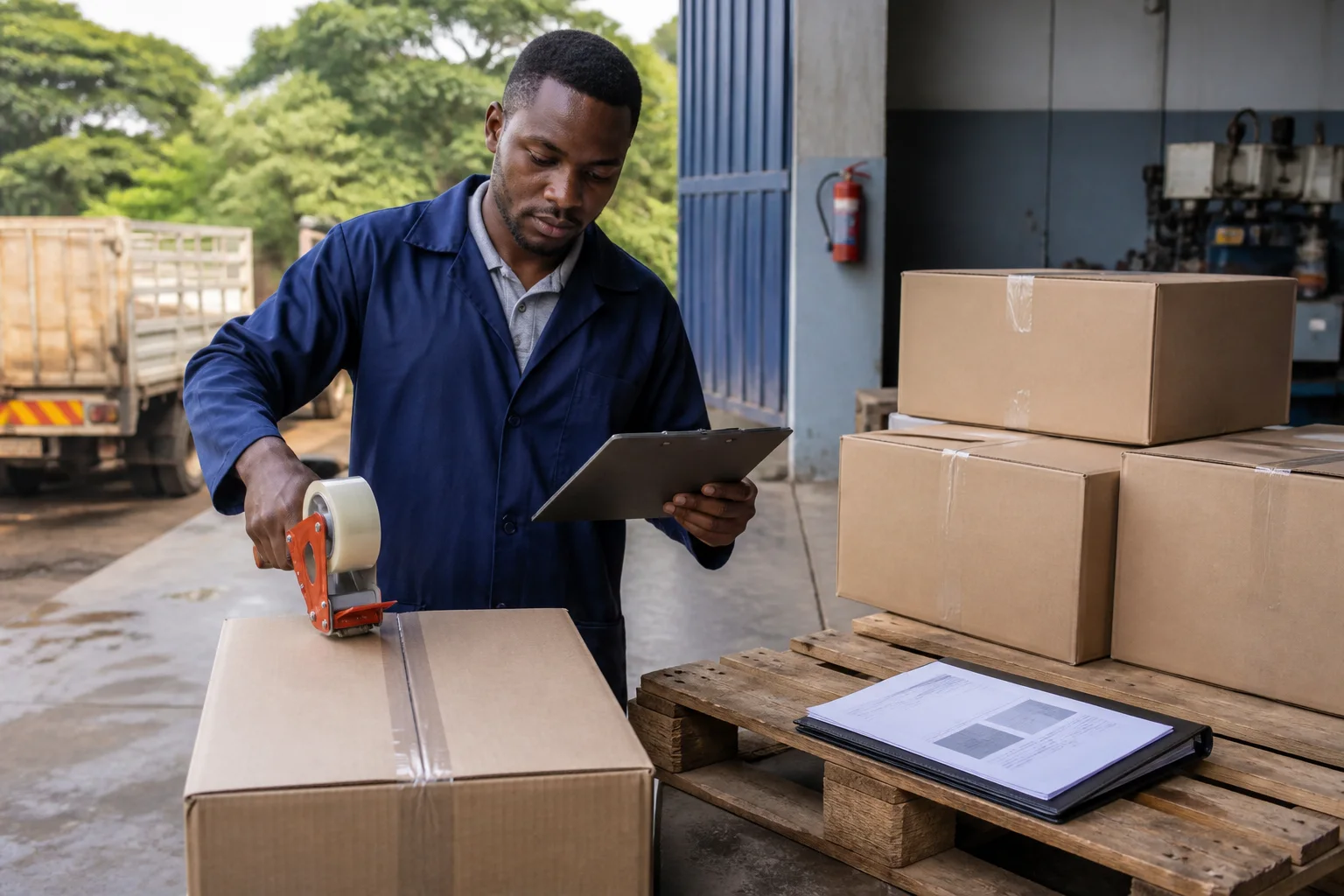
Expanding your SME beyond Kenya's borders is a powerful growth strategy. With the operationalization of the African Continental Free Trade Area (AfCFTA) and existing agreements like EAC, COMESA, and AGOA, Kenyan businesses have unprecedented access to international markets.
However, the export process involves strict regulatory compliance, documentation, and customs procedures. This 2026 guide outlines the step-by-step process for a Kenyan SME to export goods legally and efficiently.
1. Pre-Export Requirements
Before you can export anything from Kenya, your business must be properly established and recognized by the relevant authorities.
- Business Registration: You must be a registered business entity (Sole Proprietorship, Partnership, or Limited Company) with a Certificate of Registration/Incorporation from the Business Registration Service (BRS).
- KRA PIN: The business (or the individual if a sole proprietor) must have a valid KRA PIN and be tax compliant (possess a valid Tax Compliance Certificate).
- Customs Registration: You need to register your company in the KRA Integrated Customs Management System (iCMS). This is usually done through a licensed clearing and forwarding agent.
- Product-Specific Licenses: Depending on what you are exporting, you may need special permits. For example:
- Agricultural/Plant products: Phytosanitary Certificate from KEPHIS.
- Food/Manufactured goods: Export Certificate of Conformity from KEBS.
- Minerals: License from the Ministry of Mining.
- Coffee/Tea/Macadamia: Licenses from the Agriculture and Food Authority (AFA).
2. Essential Export Documentation
International trade runs on documentation. Accurate paperwork ensures your goods clear Kenyan customs and are accepted in the destination country.
The standard documents required for most exports include:
- Commercial Invoice: A detailed bill for the goods from the seller to the buyer, declaring the value for customs purposes.
- Packing List: Details the contents, weight, and dimensions of each package.
- Certificate of Origin (CoO): A crucial document certifying that the goods were produced or manufactured in Kenya. This is essential for your buyer to claim preferential tariff rates (lower import duties) under agreements like AfCFTA, EAC, or AGOA.
- Export Declaration (Customs Entry): Filed in the KRA iCMS system (usually by your clearing agent).
- Bill of Lading (Sea) or Airway Bill (Air): The transport document issued by the carrier confirming receipt of the cargo.
Focus: Exporting under AfCFTA (2026)
The AfCFTA opens a market of over 1.3 billion people. To export under this agreement and allow your buyers to pay reduced tariffs, you must:
- Ensure your product meets the AfCFTA Rules of Origin (it must be wholly produced or sufficiently transformed in Kenya).
- Apply to KRA (Customs & Border Control) to be registered as an AfCFTA Exporter. You will need your Business Registration, KRA PIN, and relevant operating licenses.
- For each shipment, fill and submit an AfCFTA Certificate of Origin (in triplicate) to KRA for verification and authorization signing.
3. The Export Process Step-by-Step
Step 1: Secure a Buyer and Agree on Terms (Incoterms)
Negotiate the sale, agree on pricing, and clearly define the terms of delivery using standard Incoterms (e.g., FOB - Free on Board, CIF - Cost, Insurance, and Freight). This determines who pays for shipping and insurance.
Step 2: Engage a Clearing and Forwarding Agent
While you can handle some paperwork yourself, KRA regulations require customs declarations to be processed by a licensed Customs Clearing Agent. Hire a reputable agent to handle the iCMS entries and port clearance.
Step 3: Obtain Necessary Permits and Certificates
Acquire your KEBS certification, KEPHIS phytosanitary certificate, or any other agency permits required for your specific product via the Kentrade Single Window System.
Step 4: Book Freight and Pack
Book space with a shipping line or airline. Pack the goods securely according to international standards and prepare your Commercial Invoice and Packing List.
Step 5: Customs Declaration (iCMS)
Your clearing agent will use your invoice and packing list to create an Export Entry in the KRA iCMS system. If physical verification is required, KRA officers will inspect the cargo.
Step 6: Port Clearance and Loading
Once customs clears the entry, the goods are transported to the port of exit (Mombasa Port or JKIA), handed over to the carrier, and loaded. The carrier issues the Bill of Lading or Airway Bill.
Step 7: Send Documents to the Buyer
Send the original documents (Invoice, Packing List, Bill of Lading, Certificate of Origin, Quality/Health Certificates) to the buyer via courier so they can clear the goods upon arrival in their country.
4. Taxation on Exports
Kenya encourages exports to bring in foreign exchange. Therefore, the tax regime is generally favorable:
- Zero-Rated VAT: Most exported goods are zero-rated for Value Added Tax (VAT). This means you charge 0% VAT on the export sale. Furthermore, if you are a VAT-registered business, you can claim input VAT (a refund) on the materials you purchased in Kenya to produce those exported goods.
- No Export Duties: Kenya does not levy export duties on the vast majority of goods (with a few exceptions on specific raw materials like raw hides and skins to encourage local processing).
5. Government Support for SME Exporters
The Kenyan government provides resources to help SMEs navigate international trade:
- Kenya Export Promotion and Branding Agency (KEPROBA): Offers market intelligence, exporter training, and facilitates participation in international trade fairs.
- KenTrade: Operates the National Electronic Single Window System, allowing you to apply for most trade permits online in one place.
- InfoTradeKenya Portal: A comprehensive online resource detailing step-by-step procedures, costs, and timeframes for exporting specific products.
6. Frequently Asked Questions
What documents do I need to export from Kenya?
The guide's "Essential Export Documentation" section lists the key documents — prepare them per the requirements of your product and destination market.
Are exports taxed?
The "Taxation on Exports" section explains the treatment — many exports attract 0% VAT treatment, but conditions apply. Confirm with KRA.
What support exists for SME exporters?
The article lists government support available to SME exporters in its final section.
Sources and update record
Stay updated
 Stay updated
Get the next guide in your inbox.