Digital Lending for Kenyan SMEs: The 2026 Guide to Fintech Borrowing
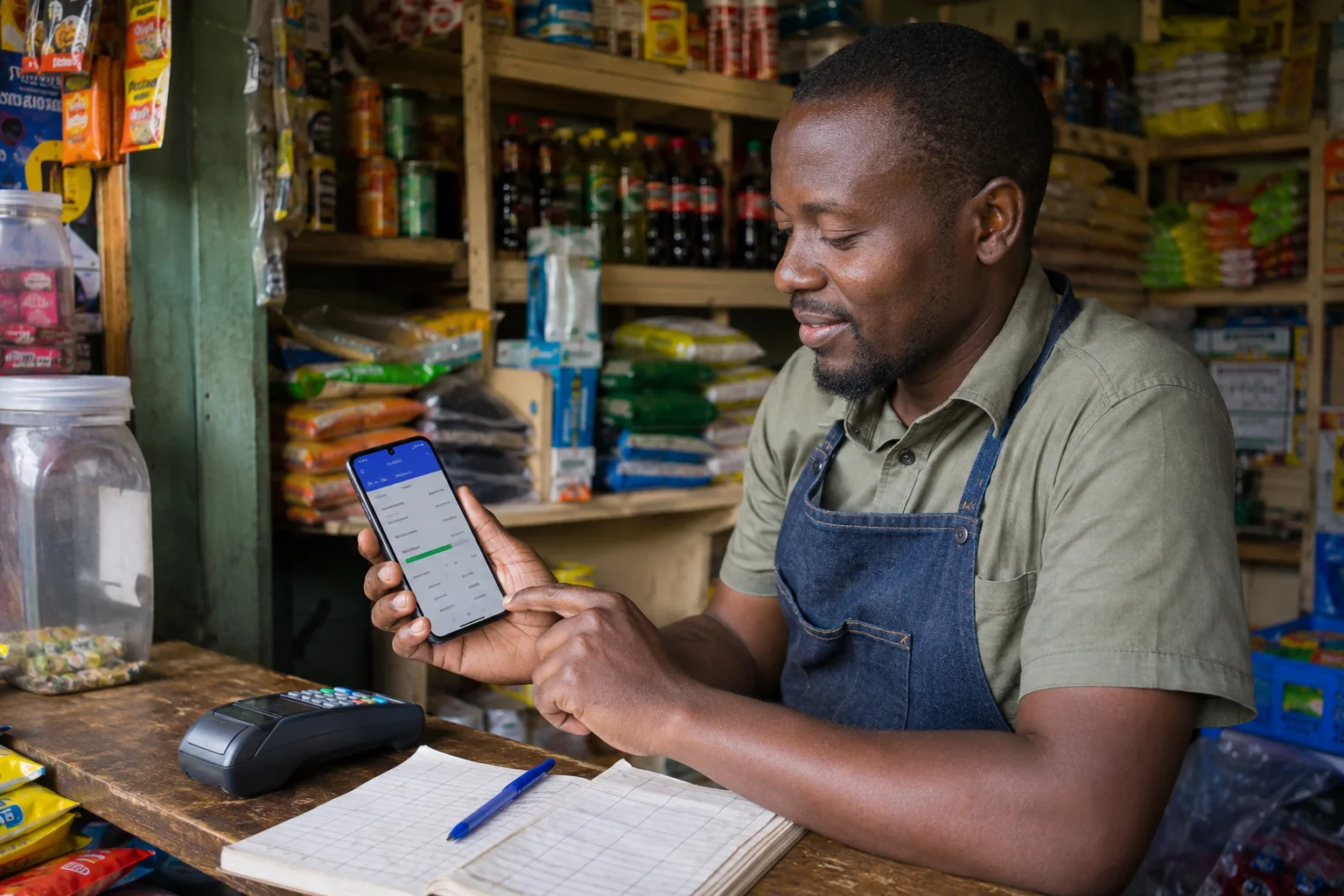
The landscape for small business borrowing in Kenya has changed dramatically. If you walked into a bank branch in 2023 asking for a KES 500,000 loan with six months' bank statements and a business plan, the odds were stacked against you. The number of licensed digital credit providers changes as CBK publishes updated directories. The current directory should be checked before relying on a provider count or a lending statistic. The practical question is which licensed product fits your need and what it will actually cost you.
This guide breaks down everything a Kenyan SME owner needs to know about digital lending in 2026: the regulatory environment, how to compare products, the true cost of mobile credit, and how to borrow without putting your business at risk.
1. The Digital Lending Explosion in Numbers
The Non-Deposit Taking Credit Providers Regulations, 2026 (Legal Notice No. 191, published 29 September 2026) revoked the Digital Credit Providers Regulations, 2022. Regulation 96 provides for existing licence holders to continue under the transition, subject to the new rules. Check the current CBK register and confirm which provider category and product are within scope.
Key milestones:
- 2022: CBK begins licensing digital lenders (previously unregulated)
- March 2024: CBK licensed 19 additional digital credit providers, bringing the total to 51 from 32 previously licensed providers. These are dated licensing totals, not a current market count.
- 29 September 2026: The Non-Deposit Taking Credit Providers Regulations, 2026 were published and revoked the 2022 Regulations; check the 2026 text for the applicable provider category and obligations.
- 2026: Use the dated CBK directory and each lender’s current first-party terms; do not treat an undated provider count or product figure as permanent.
Government guarantee availability, amounts and participating lenders depend on the current scheme terms. This guide does not state a universal guarantee amount; check the current Treasury or lender notice before relying on one.
2. Types of Digital Lending Products
Mobile App Lenders
- Examples: Tala, Branch, Zenka, Okash, LipaLater
- Limits: Depends on the lender and the customer’s current offer.
- Repayment period: Varies by lender and offer; check the due date before accepting.
- Cost: Fees and due dates vary by lender and offer; compare the amount received, total amount due and repayment date.
- Best for: Emergency working capital, short-term gaps
Bank-Linked Digital Products
- Examples: KCB M-PESA, KCB Mobi Loan, Equity EazzyBiz, NCBA Loop
- Limits: Depend on the bank product and the customer’s current offer.
- Repayment period: Check the selected product’s terms and written offer.
- Cost: Check the rate basis, fees, total due and repayment dates in the lender's specific offer.
- Best for: Established businesses with bank history, larger capital needs
Short-Term Mobile Credit
- Examples: M-Shwari is a short-term loan; Fuliza is an M-PESA overdraft.
- Limits: Personalised and subject to the current offer; do not rely on a fixed limit range.
- M-Shwari cost: NCBA states a 7.5% facility fee per loan, plus excise duty equal to 20% of that fee. The excise is deducted at disbursement; the standard repayment period is 30 days.
- Fuliza cost: An access fee and daily maintenance fees apply. Check the current Safaricom tariff and the amount shown in M-PESA for your amount and repayment period.
SME-Focused Platforms
- Examples: Named SME products include Stawi, KCB Vooma and Equity EazzyBiz; confirm current availability and terms with the provider.
- Limits: Depend on the product and borrower; use the current written offer.
- Tenure: 1–12 months (Stawi), up to 5 years (Vooma)
- Cost: Varies by provider, product and borrower; use the price and repayment schedule in the accepted offer.
- Best for: Registered SMEs with M-Pesa transaction history
Supply Chain / Embedded Finance
- Examples: M-Pesa Lipa Later (BNPL for businesses), merchant cash advances
- Cost: Depends on the product, fees and repayment schedule; compare the written total amount due.
- Best for: Inventory financing, merchant-to-merchant credit
3. Protections under the 2026 Non-Deposit Taking Credit Providers Regulations
The Non-Deposit Taking Credit Providers Regulations, 2026 (Legal Notice No. 191, published 29 September 2026) revoked the 2022 Digital Credit Providers Regulations. Regulation 96 provides for existing licence holders to continue under the transition, subject to the new rules. The 2026 rules cover providers within their scope; check the applicable category and current CBK register for a specific provider.
For borrowers, the key protections:
- Rate cap: Do not assume a universal 36% ceiling; verify the current operative CBK rule and the lender’s disclosed total cost.
- Cooling-off: Check the specific agreement and current CBK rules; this guide does not assert a universal 48-hour cancellation right.
- Full disclosure: All fees must be shown BEFORE acceptance — no hidden charges
- Contact and data use: Review what third-party contact information the provider collects and how it may be used. Regulation 32(2) restricts disclosure of customer information unless the customer expressly consents or disclosure is permitted by law.
- Data privacy: Regulation 32(2) restricts disclosure of customer information unless the customer expressly consents or disclosure is permitted by law.
- Complaints: Regulation 40 requires immediate resolution or resolution within 30 days. If the matter cannot be resolved promptly, the provider must acknowledge it within seven days; an oral complaint must be confirmed in writing within 48 hours. Unresolved complaints may be escalated to CBK.
What this means in practice:
Rates, fees and limits vary by product and change frequently. Verify the provider’s applicable licence or registration in the dated CBK register, confirm the product is within the provider’s regulatory scope, read the total cost of credit, and keep the current written terms.
4. How to Compare Digital Loan Products
Use this framework when evaluating digital lending options:
| Factor | What to Check |
|---|---|
| CBK status | Verify the applicable licence or registration and that the provider and product fall within its scope. Do not assume every credit product is regulated under the same category. |
| Total Cost of Credit (TCC) | Law requires disclosure — includes all fees, not just interest |
| Comparable annual rate | If the lender supplies an annual rate calculated on a stated basis, compare like with like. Do not turn a short-term fee into an annual rate by multiplying it by twelve. |
| Repayment flexibility | Can you prepay without penalty? What happens if you're late? |
| Data requirements | M-Pesa history, business registration, CRB status |
| Collateral / guarantors | Most digital loans are unsecured; some require guarantors |
| Cooling-off period | Check the specific agreement and current CBK rules; this guide does not assert a universal cancellation period. |
Red flags — walk away if:
- No applicable CBK authorisation can be verified in the current register
- Fees not shown until after acceptance
- Requests you download from outside Google Play (APK files)
- Asks for guarantor contacts before showing loan terms
- Requests access to your contacts without a clear explanation of the purpose, legal basis and safeguards
- No clear cancellation, repayment and fee terms before acceptance
5. Compare the Cost You Will Actually Pay
Do not turn a short-term fee into an annual rate by multiplying it by twelve. Compare the amount disbursed, every fee and tax, the total amount due, and the repayment date in the specific offer.
| Product | Published cost example | What to check |
|---|---|---|
| Short-term app loan | Varies by lender and offer | Read the exact fee, amount received, total due and date in the offer. |
| Bank-linked digital loan | Varies by product and borrower | Check rate basis, fees and repayment schedule. |
| M-Shwari loan | 7.5% facility fee per loan; excise is 20% of the fee | NCBA's example on KES 1,000 shows a KES 75 fee, KES 15 excise and KES 985 disbursed. Excise is taken at disbursement; repayment is due within 30 days. |
| Fuliza overdraft | Access fee plus daily maintenance fees | Check the current Safaricom tariff and amount shown in M-PESA for your amount and repayment period. |
| Other named products | Terms vary by product | Use the dated provider source and your accepted offer; do not infer a market-wide rate. |
6. How to Build a Digital Credit Profile
Digital lenders assess you differently than traditional banks. Here's what matters:
- M-Pesa transaction history — Consistent inflows and responsible usage signal creditworthiness
- Business registration — Having a registered business name or company increases limits
- CRB status — A clean Credit Reference Bureau record is essential; check yours annually
- Digital footprint — Consistent use of banking apps, mobile money, and digital payments
- Repayment history — Start small, repay on time, and limits increase over time
Pro tip: Use your M-Pesa business account (till or paybill) consistently for 3–6 months before applying for larger digital loans. Lenders use this transaction data to assess risk.
7. When Digital Lending Makes Sense (and When It Doesn't)
Good uses:
- Emergency working capital (stock shortfall, delayed payment)
- Seasonal inventory buildup (back-to-school, holidays)
- Taking advantage of bulk purchase discounts
- Bridging a confirmed receivable gap
Avoid for:
- Long-term capital investments (equipment, property)
- Covering ongoing losses
- Refinancing other loans (debt spiral risk)
- Speculative ventures without confirmed revenue
8. How to File a Complaint
If a digital lender violates your rights:
- Document everything — screenshots, messages, loan terms
- Contact the provider first — keep a record. Regulation 40 requires immediate resolution or resolution within 30 days; where resolution is not prompt, acknowledgement is due within seven days. Confirm the current route before escalating to CBK.
- Escalate to CBK — file a complaint via the CBK website or visit a branch
- Report to the Data Protection Commissioner — if your data was misused
9. What You Should Do This Week
- Check your CRB status — Get a free annual report from any CRB ( Metropol, TransUnion, Creditinfo)
- Review your current digital loans — Compare every fee, tax, amount received, total due and repayment date in the offer.
- Verify your lenders' CBK licenses — Cross-check against the CBK register
- Build your M-Pesa transaction history — Use your business account consistently
- Compare at least 3 products — Don't take the first offer; use the TCC framework above
Frequently Asked Questions
Are digital lenders safe for my business?
Licensed digital lenders regulated by CBK are legal and increasingly professional. The key is verifying the license, understanding the true cost, and borrowing only what you can repay within the agreed term.
What's the maximum I can borrow digitally?
Borrowing limits vary by provider, product, customer profile and current terms. Check the lender’s dated first-party offer rather than relying on a universal maximum.
Will digital lending affect my CRB status?
It may. Reporting depends on the provider, applicable rules and product. Ask the provider whether it reports to a CRB, and check your report for accuracy.
Can I get a digital loan with a bad CRB record?
Approval depends on the provider’s criteria, your current profile and the product. Do not assume a specific fund or lender will approve you; check the current written eligibility terms.
Sources and update record
Updated 26 October 2026: Updated lender rules for the 2026 regulations, transition period, disclosures and complaint timelines.
Lending examples checked: 12 October 2026. Listed product terms are examples for the named offer.
Provider and date note: Rates, limits, fees, availability and product terms can change by provider, product and date. Treat figures here as guidance, check the dated first-party source above, and confirm the current schedule before acting.
- CBK Quarterly Report 2026
- Kenya Law — Non-Deposit Taking Credit Providers Regulations, 2026 (LN 191)
- CBK Digital Credit Providers Regulations 2022
- CBK — Licensing of 19 additional digital credit providers, March 2024
- ZaKenya (May 2026)
- Helloduty SME Loans Guide 2026
- PayHero Kenya Digital Payments Trends 2026
- SmartBizSystems SME Finance Blueprint 2026
- NCBA — M-Shwari excise duty collection FAQ
- Safaricom — M-Shwari loan product
- Safaricom — Financial statements: Fuliza access and daily maintenance fees
- NCBA — M-Shwari Key Facts
Stay updated
 Stay updated
Get the next guide in your inbox.