Business Insurance in Kenya: Complete 2026 SME Guide
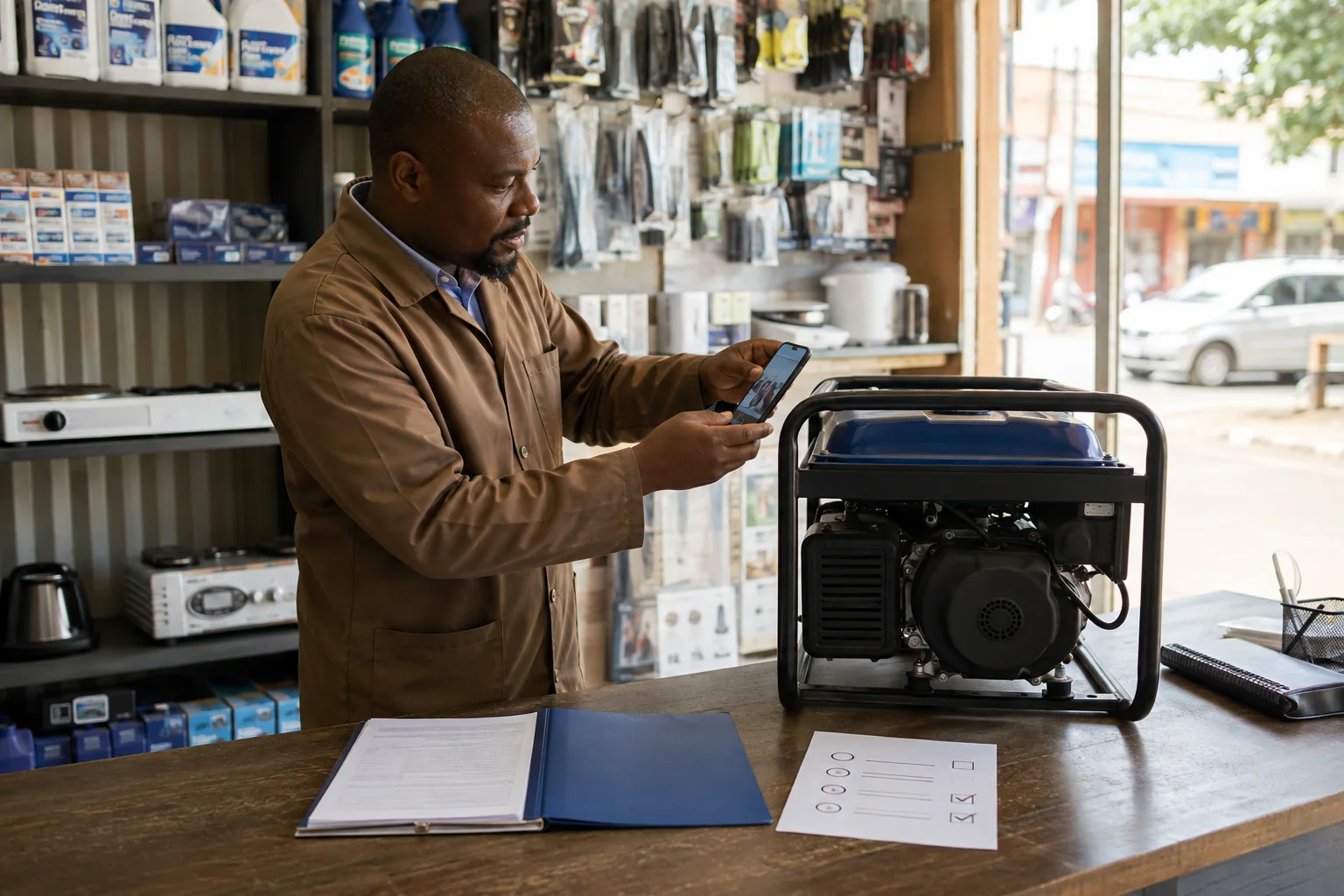
Running a business in Kenya means dealing with real risks — fire, theft, employee injuries, customer lawsuits, and unexpected disruptions. Many Kenyan businesses are SMEs and insurance coverage varies; do not infer a national uninsured percentage from this guide. One fire, one break-in, or one workplace accident can wipe out years of hard work.
This guide covers every type of business insurance available in Kenya, what each one costs, which ones are mandatory, and how to get covered step by step.
1. Why Your Business Needs Insurance
Insurance transfers risk from your business to an insurer. Instead of paying for a fire-damaged warehouse or a customer lawsuit out of your pocket, the insurer covers it. For SMEs operating on thin margins, this difference is often the line between survival and bankruptcy.
Key reasons to get insured:
- Legal compliance: WIBA and motor insurance are mandatory under Kenyan law
- Business continuity: Insurance payouts help you rebuild and reopen after losses
- Loan requirements: Many banks require insurance before approving business loans
- Government tenders: Some tenders require proof of insurance coverage
- Employee protection: Shows your workforce you care about their safety
2. Types of Business Insurance in Kenya
2.1 WIBA — Work Injury Benefits Act (Mandatory)
WIBA is the only mandatory insurance cover for employers in Kenya. Under the Work Injury Benefits Act of 2007, every employer must insure employees against work-related injuries, diseases, and death.
What WIBA covers:
- Death and permanent total disablement: Compensation is calculated under the Act using the applicable earnings basis (including the 96-month basis) and statutory rules.
- Temporary disablement: Periodic compensation depends on the certified incapacity and the conditions in the Act; do not treat 52 weeks as a universal limit.
- Medical expenses: Reasonable medical aid and treatment costs may be payable where the Act applies.
- Funeral expenses: Reasonable expenses are payable subject to the prescribed statutory maximum.
- Occupational disease: Compensation depends on the statutory disease and work-relatedness rules.
When WIBA may not apply: A claim depends on the statutory test for an accident arising out of and in the course of employment, or a covered occupational disease. An employee is not automatically excluded for being under 18 or for an injury occurring outside usual working hours. Wilful misconduct is generally excluded, except where the accident results in serious disablement or death. Employer-provided transport to or from work may qualify under the Act. Assess the facts and the Act's exceptions rather than treating these examples as blanket exclusions.
Cost: WIBA premiums are typically calculated as a percentage of your total payroll. Rates vary by insurer and industry risk level — premiums are quote-dependent and vary by insurer, payroll, occupation and risk; obtain a current quotation rather than relying on a fixed percentage.
2.2 Fire and Special Perils Insurance
This is the foundation of property protection for any business with physical assets.
What it covers:
- Damage to buildings, office furniture, machinery, and stock
- Caused by fire, lightning, explosions
- Special perils: floods, storms, riots, strikes, and malicious damage
Cost: Premiums depend on the value of insured assets and location risk. A small shop in Nairobi with KES 2 million in stock might pay KES 15,000–40,000/year. A warehouse with KES 10 million in assets could pay KES 80,000–200,000/year.
2.3 Business Interruption Insurance
Most business owners insure their physical assets but forget about the income they lose while repairs happen. Business interruption insurance covers this gap.
What it covers:
- Lost net profit during the shutdown period
- Standing charges that continue even when you're closed — rent, salaries, loan repayments
- Extra costs to resume operations (e.g., temporary premises)
Cost: Usually purchased as an add-on to fire insurance. Expect an additional premium quoted for the selected cover and risk.
Why it matters: It's not the fire that kills most businesses — it's the three months of zero income while waiting for repairs. This cover keeps your business alive during that period.
2.4 Burglary and Theft Insurance
Covers loss of or damage to business property following forcible and violent entry or exit from your premises.
What it covers:
- Inventory stolen during a break-in
- Damage to doors, windows, and fixtures during the break-in
- Loss of cash on premises (if included in the policy)
Cost: From KES 5,000–25,000/year for a small business, depending on the value of insured stock and location risk.
2.5 Public Liability Insurance
If a customer slips in your shop, a delivery person is injured on your premises, or your product causes harm — you could be sued. Public liability insurance covers the legal costs and compensation.
What it covers:
- Legal fees for defending a claim
- Compensation awarded to the injured third party
- Medical expenses for the injured party
Cost: From KES 10,000–50,000/year for SMEs. Higher for businesses with high foot traffic or hazardous operations.
Who needs it most: Retail shops, restaurants, event organizers, construction companies, and any business with customer-facing operations.
2.6 Professional Indemnity Insurance
If your business provides professional advice or services — consulting, accounting, legal, architecture, IT — this cover protects you against claims of negligence, errors, or omissions.
What it covers:
- Legal costs from client lawsuits alleging professional negligence
- Compensation awarded to clients
- Defense costs even if the claim is unfounded
Cost: From KES 15,000–80,000/year depending on your profession and revenue.
Who needs it: Consultants, accountants, lawyers, architects, IT firms, engineers, marketing agencies, and any business selling expertise.
2.7 Motor Commercial Insurance
A motor vehicle used on a road in Kenya must carry at least the third-party cover required by the Traffic Act and Insurance (Motor Vehicles Third Party Risks) Act, Cap. 405. Businesses with delivery vans, company cars or trucks should confirm that the policy covers the vehicle’s actual use.
Types of cover:
- Third Party Only (TPO): The minimum cover required by the Insurance (Motor Vehicles Third Party Risks) Act, Cap. 405, is for third-party death or bodily injury liability. It is not general cover for damage to other people's property. Property-damage cover depends on the policy wording; request a current written quote.
- Third Party, Fire & Theft (TPFT): Adds fire and theft cover for your vehicle. From KES 25,000–50,000/year.
- Comprehensive: Covers everything — own damage, third party, fire, theft, vandalism. From KES 40,000–100,000+/year depending on vehicle value.
2.8 Group Medical/Health Insurance for Staff
While the Social Health Authority (SHA) provides basic healthcare, many businesses offer private medical insurance as an employee benefit to attract and retain talent.
Cost: Group medical cover starts from approximately KES 12,000–25,000 per employee per year for basic inpatient plans. Executive plans with outpatient, dental, and optical can cost KES 40,000–80,000 per employee per year.
3. How Much Does Business Insurance Cost in Kenya?
The amounts below are unverified budget illustrations, not insurer tariffs or guaranteed minimum premiums. Premiums depend on the insurer, insured values, limits, excesses, exclusions, location and risk; request dated written quotes for your business.
- Small retail shop (fire + stock + burglary): From KES 25,000/year
- Small office (fire + public liability): From KES 20,000/year
- Restaurant/café (fire + liability + WIBA): From KES 45,000/year
- Logistics company (vehicles + WIBA + liability): From KES 150,000/year
- Professional services firm (professional indemnity + public liability): From KES 35,000/year
4. Where to Buy Business Insurance in Kenya
Kenya has several reputable insurance companies that offer SME-friendly packages:
- Jubilee Insurance — Largest insurer in East Africa, wide range of SME products
- Britam — Competitive SME packages, good digital experience
- APA Insurance — Strong in commercial lines, good claims reputation
- CIC Insurance — Affordable SME packages, especially for smaller businesses
- ICEA Lion Group — Comprehensive commercial products
- Madison Insurance — Good WIBA and group medical packages
- UAP Old Mutual — Strong in property and casualty insurance
You can also use an insurance broker who will compare quotes across multiple insurers. Brokers are regulated by the Insurance Regulatory Authority (IRA) and charge a commission from the insurer (not you).
5. Step-by-Step: How to Get Business Insurance
- Assess your risks: List all assets, employees, operations, and potential hazards. What could go wrong?
- Prioritize covers: Start with mandatory covers (WIBA, motor), then add based on risk and budget.
- Get multiple quotes: Approach at least 3 insurers or brokers. Request package quotes.
- Compare coverage, not just price: Check exclusions, limits, excess amounts, and claim processes.
- Gather your documents:
- Business registration certificate
- KRA PIN certificate
- Payroll details (for WIBA)
- Asset valuation or inventory list
- Vehicle logbooks (for motor cover)
- Complete the application: Fill in the proposal form honestly — misrepresentation can void your policy.
- Pay your premium: Most insurers accept M-Pesa, bank transfer, or cheque.
- Review your policy document: Read the fine print. Understand what's covered and what's excluded.
6. Common Mistakes to Avoid
- Underinsuring your assets: If your stock is worth KES 5 million but you insure for KES 2 million, you'll only get 40% of any claim. Always insure for full replacement value.
- Ignoring exclusions: Every policy has exclusions. Read them. If flood damage is excluded and you're in a flood-prone area, you need a separate flood cover.
- Not updating your policy: If you've expanded your premises, hired more staff, or increased stock, update your policy. An outdated policy may not cover your current assets.
- Skipping WIBA: It's not optional. The penalties are severe, and the cost is minimal compared to the risk.
- Choosing based on price alone: The cheapest policy often has the most exclusions and the slowest claims process.
7. Insurance and Business Loans
Many Kenyan banks require proof of insurance before approving a business loan. Common requirements include:
- Fire insurance for the financed asset
- Comprehensive motor insurance for financed vehicles
- WIBA cover if the loan is for business expansion involving hiring
If you're applying for a loan from Saccos or government funds, check their specific insurance requirements — they vary.
8. Frequently Asked Questions
Is business insurance mandatory in Kenya?
WIBA cover is required for employers under the Work Injury Benefits Act. A motor vehicle used on a road must carry at least the third-party cover required by the Traffic Act and Insurance (Motor Vehicles Third Party Risks) Act, Cap. 405; that minimum is for third-party death or bodily injury, not general property damage. Other business covers depend on contract and risk.
Can a small business with 1–2 employees get insurance?
Yes. Insurers have packages designed for micro and small businesses. You don't need a large workforce to get covered.
How long does it take to get insured?
Processing time depends on the insurer, cover, underwriting checks and completeness of your information. Ask the insurer for its current estimate and the date cover will begin.
Can I claim multiple times in one year?
Yes, as long as the total claims don't exceed your policy limits. Each claim is assessed independently.
What happens if I don't have WIBA?
You risk statutory enforcement and direct exposure for employee injury costs; verify the current WIBA offence and penalty before relying on a figure.
Sources and update record
Updated 26 October 2026: Clarified mandatory motor third-party cover and labelled premium ranges as unverified illustrations.
WIBA statutory coverage checked: 12 October 2026.
Provider and date note: Rates, limits, fees, availability and product terms can change by provider, product and date. Treat figures here as guidance, check the dated first-party source above, and confirm the current schedule before acting.
Stay updated
 Stay updated
Get the next guide in your inbox.